
THE FINALS · 2026-10-21
THE FINALS Goes PRIME TIME With Shape-Shifting Tricks, Solo Showdown and a Destruction Overhaul
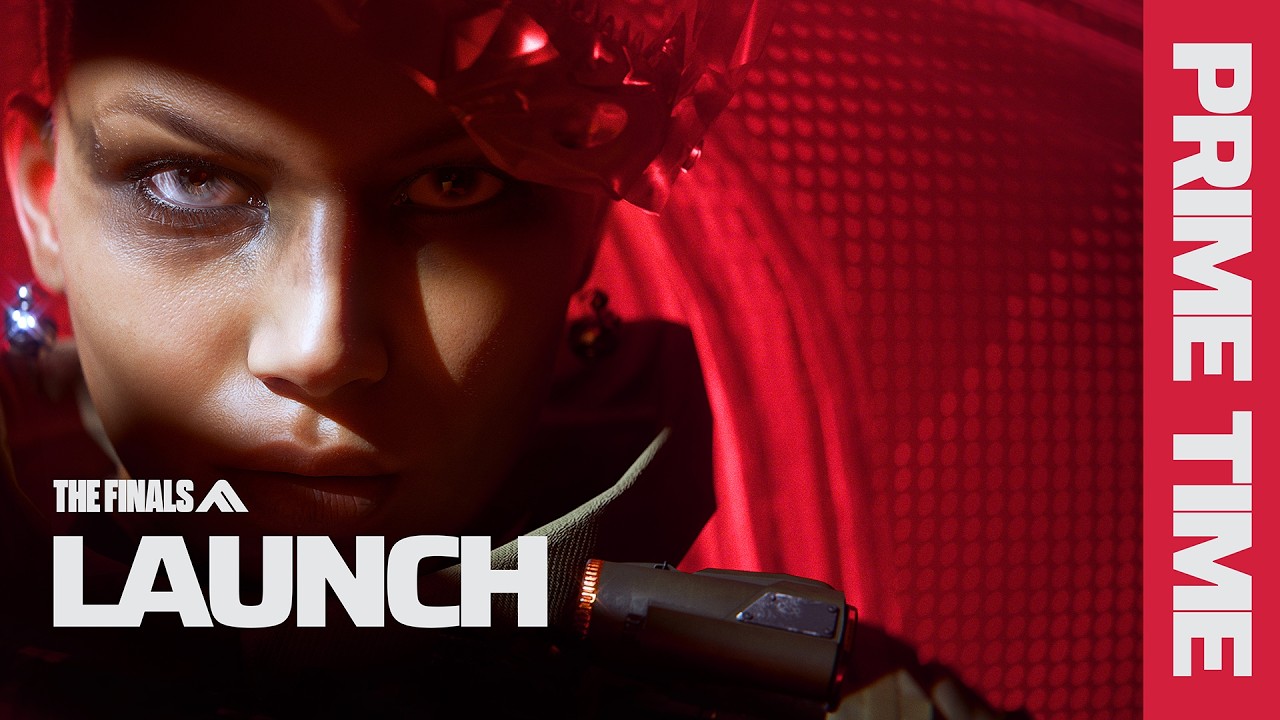
The arena is changing, and this time the changes reach well beyond a fresh coat of paint. THE FINALS has launched PRIME TIME, its twelfth season, bringing a new Light playstyle, an individual tournament mode, remastered maps and what Embark describes as the biggest upgrade to destruction since launch. The accompanying “WELCOME TO PRIME TIME” video introduces a season built around making the virtual game show more reactive, more theatrical and less predictable.
Released on October 20, PRIME TIME also introduces Dynamic Commentary in beta, allowing Scotty to recognise standout performances by calling players out by name. A revised interface, expanded sponsor progression and renewed match presentation support that same ambition: giving contestants a stronger presence inside the spectacle.
The most consequential changes, however, happen in the spaces where players fight. Buildings can now come apart more gradually, familiar arenas have been reworked, and Light contestants gain tools for disguising themselves and manipulating their position. Together, those additions create new possibilities for deception and improvisation in a shooter already defined by unstable surroundings.
Buildings Get More Ways to Fall Apart
Embark’s destruction overhaul adds more possibilities between an intact structure and a collapsed one. Parts of buildings can remain attached as they break, allowing floors to sag, walls to lean and damaged sections to shift before giving way.
That changes the potential shape of a fight. A floor that bends into the level below can create a route between storeys, while the remains of a larger collapse can become surfaces that contestants move and fight across. Destroying a position therefore has consequences beyond removing the cover that occupied it.
The update also strengthens environmental chain reactions and makes smoke respond to forces and changes within the arena. Embark says it has worked on visual cues and consistency alongside those interactions, helping players understand what is happening around them.
That readability is crucial to the idea. Destruction becomes a more useful tactical system when players can recognise an opportunity—or an approaching collapse—and react before the environment finishes changing.
Infiltrator Gives Light a New Bag of Tricks
Infiltrator is the new Light playstyle, built around the True Sight specialisation and two gadgets: Mimic Device and Translocator. The combination brings information gathering, disguise and positional trickery into the same toolkit.
True Sight highlights enemies and deployed equipment through a special vision mode. Mimic Device lets contestants scan suitable environmental objects and disguise themselves as them, including props such as barrels, plant pots and chairs. Translocator allows the player to swap positions with an object, creating opportunities for sudden approaches or escapes.
Those abilities give Light another way to create uncertainty. An opponent must consider both where a contestant might move and whether an apparently ordinary object deserves closer attention. For the player using the equipment, success depends on choosing a convincing disguise or a useful destination.
It is an addition that fits THE FINALS’ existing environmental identity. The arena’s objects become tools for misdirection as well as things to throw, destroy or hide behind.
Solo Showdown Puts Every Contestant on Their Own
Solo Showdown introduces a 12-player individual tournament, debuting in beta with three elimination rounds built around randomly selected mini-modes. Contestants compete for cash, with the lowest earners dropping out as the tournament progresses.
The format creates a different relationship with the competition. Every player is responsible for keeping their own run alive, and changing round rules require them to adapt rather than rely on one approach throughout.
It also gives solo players a dedicated experience within a game strongly associated with squad coordination. The tournament structure preserves the game-show premise: survive the current challenge, earn enough to advance and reach the decisive round with a chance to win.
Its beta status is worth keeping in view. Solo Showdown arrives as a new format that Embark intends to improve, making this first version the beginning of its development in the live game.
Familiar Arenas Return With New Opportunities
Monaco, Seoul and Skyway Stadium have been remastered, receiving changes to their visual identities, traversal and level design. The work brings some of THE FINALS’ oldest environments into the same broader refresh as the destruction system.
Embark’s stated goal is to apply lessons learned from watching players use those arenas over almost three years. Updated lighting and materials aim to improve clarity, while layout changes create opportunities to reconsider familiar routes and positions.
That combination matters for returning contestants. Recognising a map does not necessarily mean knowing how its revised spaces will play, particularly once the updated destruction starts altering the terrain.
The remasters also strengthen each arena’s sponsor identity through colour and branding. That gives the locations a more distinct place within the fictional broadcast while the gameplay changes ask players to look at them again.
Scotty Can Finally Put a Name to the Highlight
Dynamic Commentary launches in beta, giving Scotty the ability to mention contestants by name when they produce notable moments, including team wipes and revive streaks.
It is a small change in wording with a clear purpose. A commentator describing an event supplies atmosphere; a commentator recognising the person responsible makes that event feel more directly connected to the contestant’s performance.
The initial scope is deliberately limited, according to Embark’s explanation of the feature. That makes PRIME TIME’s version a controlled starting point for more reactive commentary, rather than a promise that the announcer will narrate every possible action.
For a game presented as televised competition, the connection is easy to understand. The stronger the relationship between what happens in the arena and what the broadcast recognises, the more convincing the contestant fantasy becomes.
Sponsors and Presentation Bring the Show Together
PRIME TIME extends that work through a redesigned HUD and menus, refreshed match presentation and the new Sponsor Journey. The sponsor system introduces a Handler, new challenges, secrets and additional free rewards, giving contestants more to engage with around their chosen allegiance.
The interface refresh supports the practical side of the update. Clearer information and easier navigation become especially valuable when the environments themselves offer more movement, damage states and opportunities for surprise.
Embark’s executive producer has explained that this season draws together work planned across a longer period, allowing the studio to revisit systems that need more development time than a conventional seasonal cycle permits.
That intent gives PRIME TIME a coherent direction. Its most interesting additions build on recognisable parts of THE FINALS: a collapsing building becomes more dynamic, an arena prop becomes a disguise, and a successful play becomes a moment the commentator attributes to you. The spotlight is brighter, but the renewed possibilities underneath it are what give contestants a reason to return.